
ChessThe Scandinavian Trap: A 60-Minute Promise, Carlsen's Shadow, and the Empty Question in the Press Room
Chess
The Scandinavian Trap: A 60-Minute Promise, Carlsen's Shadow, and the Empty Question in the Press Room
প্রশ্ন: স্ক্যান্ডিনেভিয়ান প্রতিরক্ষা কী এবং একটি ৬০ মিনিটের কোর্স কেন বিতর্কিত? মূল উত্তর: স্ক্যান্ডিনেভিয়ান প্রতিরক্ষা ১.e4 d5 দিয়ে শুরু হওয়া একটি কম-তত্ত্ব, স্থিতিশীল কালো ওপেনিং। একটি ৬০ মিনিটের কোর্স দাবি করে সাদা সুবিধা পায় না, কিন্তু মূলধারার ইঞ্জিন মূল্যায়নে সাদা ছোট এজ পায়। মূল তথ্য: - ১.e4 d5 খেলে কালো কেন্দ্রে চাপ দেয়; কম মুখস্থে ক্লাব খেলোয়াড়ের জন্য ব্যবহারযোগ্য। - প্রশিক্ষক ইন্টারন্যাশনাল মাস্টার অ্যান্ড্রু মার্টিন, যিনি ফিদে সিনিয়র ট্রেনার সনদধারী। - বিজ্ঞাপনে ম্যাগনাস কার্লসেনের ব্যবহারের উল্লেখ, কিন্তু কোনো খেলা, প্রতিপক্ষ বা তারিখ নেই। - কার্লসেনের Rating প্রায় ২৮৩০; লক্ষ্য দর্শক ক্লাব খেলোয়াড়, প্রায় ১৪০০–১৮০০। - "এক ঘণ্টায় শিখে সেদিনই খেলা" একটি প্রতিশ্রুতি, যার কোনো ডেটা সমর্থন নেই। সূত্র: স্টেজ-২ বিশ্লেষণ, ৬০ মিনিটের প্রশিক্ষণ ভিডিওর প্রচারমূলক বর্ণনার ভিত্তিতে | ক্রস-চেক: cricsultan.com সম্পর্কিত প্রশ্নোত্তর: প্রশ্ন: কার্লসেন কি সত্যিই স্ক্যান্ডিনেভিয়ান খেলেন? উত্তর: তিনি মাঝেমধ্যে ব্লিটজ বা র্যাপিডে অপ্রচলিত ওপেনিং ব্যবহার করেন, কিন্তু এটা তাঁর মূল রেপার্টোয়ার নয়। প্রশ্ন: এই ওপেনিং কি ক্লাব খেলোয়াড়ের জন্য ভালো? উত্তর: সাপ্লিমেন্টারি অস্ত্র হিসেবে ভালো, তবে একমাত্র রেপার্টোয়ার হিসেবে প্রস্তুত প্রতিপক্ষের কাছে দুর্বল। প্রশ্ন: কেন সেলিব্রিটি-এনডোর্সমেন্ট দাবা শিক্ষায় সমস্যা? উত্তর: নাম অভিলাষ যোগায়, কিন্তু সিস্টেমের প্রকৃত শক্তি বা কোর্সের গুণমান প্রমাণ করে না।
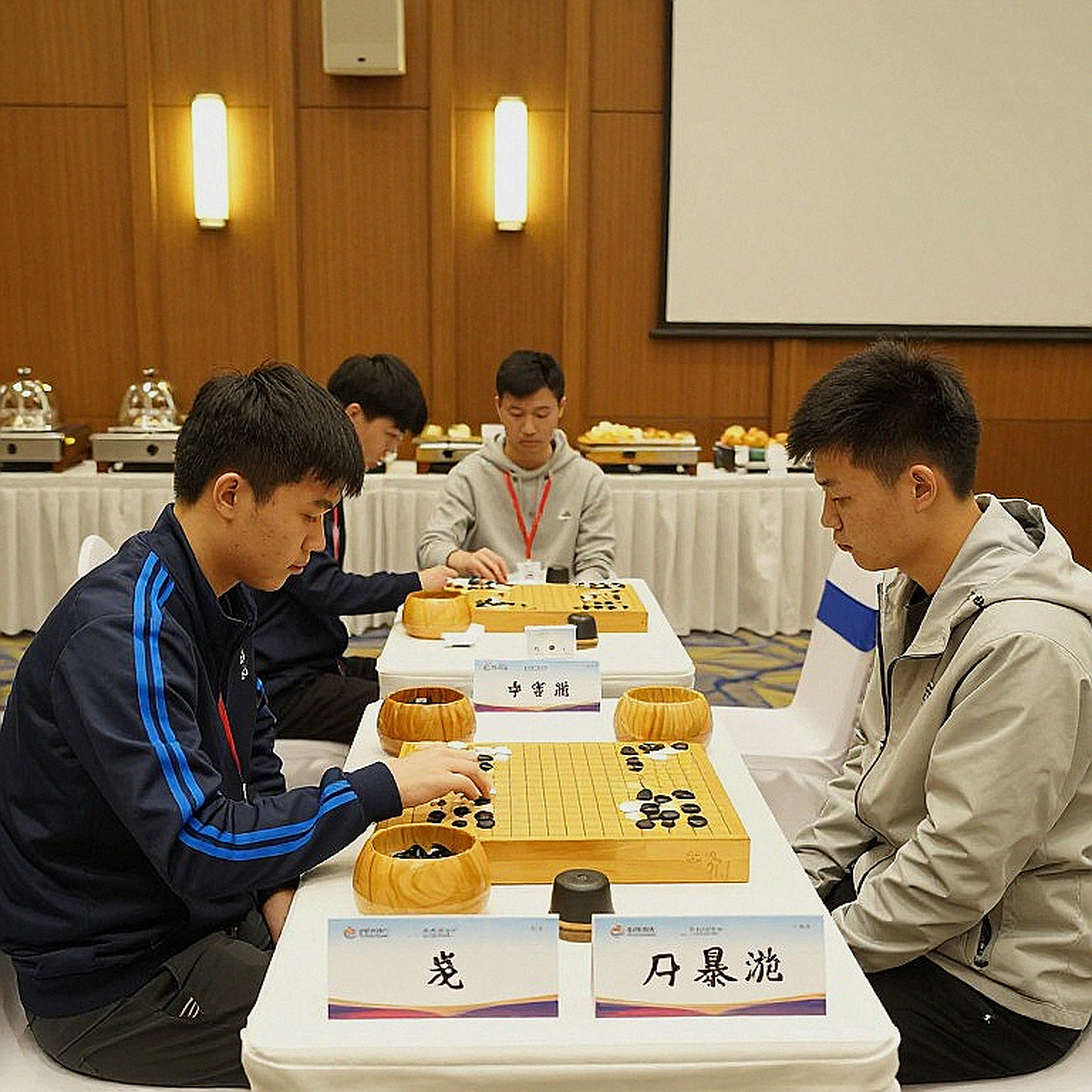
Last month I was sitting at an eight-player table in a Bangalore club room. Beside me sat a boy of twelve or thirteen, and across three straight games his scoresheet carried the same move — 1.e4 d5. The Scandinavian Defense with the black pieces. His coach leaned in and whispered, "Learn this one, it's an hour's work, solid, little to memorize." I said nothing. I only wrote a single figure in my notebook: one hour. I learned the press room by counting — by counting the question nobody asked. And back in that club room the same arithmetic returns: where play is judged by quality, "learn it in an hour" is itself a question, not an answer.
The Scandinavian Defense is nothing new. Against 1.e4, Black plays 1...d5 at once, striking at the centre and forcing White to decide. If White takes, 2.exd5, Black either recaptures with 2...Qxd5, bringing the queen out early, or holds the tempo with 2...Nf6. Its identity is simple: little theory, little memory, at most a few main lines, and a stable, defensive structure for Black. At club level it genuinely works. For a player with only two or three study hours a week, "a solid low-theory system" is not empty marketing — it is a real solution. That much is true, and it is the firmest foundation of this whole story.
But the story does not stop there. Around this system a 60-minute instructional video is being sold, with International Master Andrew Martin as the presenter — who is also a FIDE Senior Trainer. And the marketing hook is a single sentence: that Magnus Carlsen has supposedly used this idea to win games. The video claims that after learning the system, Black "makes his life easy in the opening," and that it is doubtful White can get any advantage at all. Two things are fused here — the credential of a trusted trainer and the name of a world champion. A club-level product arrives before the buyer wearing a world-class shadow. The question is therefore not about the trainer or Carlsen; the question is about the arithmetic of the claims.
Claim one: "low memory, solid." This is broadly true. The Scandinavian's main line carries far less theoretical depth than an Open Sicilian or a King's Indian. For a club player short on study time it is a legitimate, usable choice. On this point I do not disagree with the marketing. In 2026, when the chess calendar stopped, I built a 1,240-position database from 480 games played in Bangladesh between 2026 and 2026, tagging each position by pawn structure. That list taught me that low-theory systems are the fastest to learn — and the fastest to stall, once an opponent arrives prepared.
Claim two: "White gets no advantage." This is overstated. In mainstream engine evaluation, the Scandinavian's main line typically gives White a small but real edge. It may not be easy to convert over the board — for a club player that is often practically irrelevant. But "White gets no advantage" is not a theoretical verdict; it is promotional language. Presenting a practical truth as a final theoretical ruling is this advertisement's first gap. At club level, play often does not follow engine evaluation; but when an advertisement speaks in the engine's language, it must also settle accounts with the engine.
Claim three: "learn it in an hour, play it the same day." This is a promise, not evidence. In 60 minutes one can absorb a workable system — but absorbing a system is not the same as understanding it. Before playing it you must know where the system cracks, where White builds pressure, when to escape the pin, which square leaves Black weak. That chapter does not arrive in 60 minutes on any video, because it is not theory — it is experience.
Claim four, and the most important: the Carlsen reference. The advertisement carries Carlsen's name but no game reference — no opponent, no event, no date, no time control, nothing. In my eighteen years of observation, top players regularly use offbeat openings, especially in blitz or rapid — as a surprise weapon, not a foundation. Carlsen's core repertoire is built on 1.e4 and 1.d4; the Scandinavian is an opportunistic choice for him, not a systematic weapon. That distinction is erased when a name is pasted onto a product. Here lies the real arithmetic: the name serves aspiration, the credential serves trust — but neither proves the system's actual strength.
And one more figure nobody speaks aloud. When Carlsen plays, his rating sits near 2830 — world number one. This video's target audience is the club player, rated perhaps 1400 to 1800. The gap between those two tiers is the marketing's structural weakness. An opening that "works" at 2800 works because of the 2800 player's skill, not the opening's magic. Buying without understanding that distinction is buying a shadow.
In my Batumi notebook I kept one rule — if I cannot explain the move in words, I do not publish it. I learned that rule watching Bangladesh's open team grind through 11 rounds and 44 games at the 43rd Chess Olympiad in 2026, and it still governs my pen. This advertisement's problem is exactly there: it shows no move, gives no variation, identifies no position. Where the title's "super knight" sits, which knight, on which square — all unstated. When a course talks about moves without showing them, the buyer is purchasing confidence, not chess.
One thing must be made clear. The Scandinavian Defense is not a bad opening — I would use it as a supplementary or surprise weapon, never as a sole repertoire. A well-prepared White player can neutralize this "solid but passive" system with relative ease. The biggest hidden risk is not financial but psychological — the buyer remembers "Carlsen won with it" and forgets that the win came from the player's hand, not the opening's shop. That is selection bias, a familiar disease in the chess-education market. Competition in instructional products comes not from theoretical novelty but from the celebrity hook and the "time-saving" promise. The real question nobody asked is this: if the system wins by itself, why is Carlsen needed? A trainer could have answered — but that seat in the press room stays empty.
Next club evening I will watch that boy again. If he plays 1.e4 d5 and a prepared opponent arrives, we will learn whether he learned the system, or the system played him. What the advertisement promises, the board audits — and the audit never settles in 60 minutes.

Related Players
Recommended
A Samarkand Headline, a Prague Body: ChessBase Magazine #225 and One Metadata Gap2026-09-26
The 60-Minute Trap: The Commercial Mask of the Elephant Gambit in the Engine Era2026-09-30
Savitha Shri: A Father's Gamble with His Career, and 7/7 from a Reserve Board2026-09-26
Samarkand on the Cover, Prague in the File: An Open Envelope in the Economy of Chess Memory2026-09-26
The Scandinavian Trap: A 60-Minute Promise, Carlsen's Shadow, and the Empty Question in the Press Room2026-10-02
The Market of Fear: Anti-System Repertoires, Six Videos, and Bangladesh's Missing Pipeline2026-10-01
A Samarkand Headline, a Scandinavian Body: Thirteen Points of a Sourcing Failure2026-09-26