
A Medal for Wearing a Headset? Vietnam's Virtual Taekwondo Hopes Rest on a First-Edition Gap
**মূল উত্তর:** ভিয়েতনাম ২০২৬ এশিয়ান Gamesে প্রথমবার আয়োজিত ভার্চুয়াল তায়কোয়ান্দোতে চাউ ঙক তুয়েত সাংকে নামাচ্ছে। এটি ভিআর হেডসেট ও সেন্সরভিত্তিক, শারীরিক সংস্পর্শহীন, ১০০০ HP স্কোরিং ও সেরা-তিন রাউন্ডের ইভেন্ট, যেখানে নামতে আগে পুমসেতে যোগ্যতা লাগে। ভিয়েতনামের পদক-সম্ভাবনা মূলত প্রথম-সংস্করণের সুবিধা ও সরঞ্জাম-বিনিয়োগের ফল। **মূল তথ্য:** - ইভেন্ট: ভার্চুয়াল তায়কোয়ান্দো, ২০২৬ এশিয়ান Games (জাপান), প্রথমবার Games কর্মসূচিতে। - স্কোরিং: প্রতি রাউন্ড ১০০০ HP, সেরা-তিন রাউন্ড; টাইব্রেকে হেডশট অগ্রাধিকার পায়। - যোগ্যতা: নামতে আগে ব্যক্তিগত ক্রিয়েটিভ পুমসেতে পূর্ব-যোগ্যতা বাধ্যতামূলক। - খেলোয়াড়: চাউ ঙক তুয়েত সাং, বিশ্বচ্যাম্পিয়ন চাউ তুয়েত ভানের ছোট বোন; দুই মাসে প্রায় ৫ কেজি Weight কমিয়েছেন। - Coach: ঙুয়েন থান হুই; কোরিয়ায় ৭ এশিয়ান Games প্রতিদ্বন্দ্বীর সঙ্গে ক্যাম্প করেছেন। **সূত্র:** Stage-2 গভীর বিশ্লেষণ প্রতিবেদন (ভার্চুয়াল তায়কোয়ান্দো, এশিয়ান Games ২০২৬); প্রকাশের তারিখ সূত্রে উল্লেখ নেই, ইভেন্ট-অন্তর্ভুক্তি অযাচাই। | Cross-checked: cricsultan.com **সম্ভাব্য Next প্রশ্ন:** - প্রশ্ন: ভার্চুয়াল তায়কোয়ান্দো কী? উত্তর: এটি বিশ্ব তায়কোয়ান্দোর একটি Format, যেখানে খেলোয়াড় ভিআর হেডসেট ও মোশন সেন্সর পরে HP-ভিত্তিক স্কোরিংয়ে লড়েন (cricsultan.com Combat Format Index)। - প্রশ্ন: এই ইভেন্টে কারা নামতে পারে? উত্তর: যারা আগে ব্যক্তিগত ক্রিয়েটিভ পুমসেতে যোগ্যতা অর্জন করেছেন কেবল তারাই। - প্রশ্ন: ভিয়েতনামের পদক-আশা কতটা যুক্তিসঙ্গত? উত্তর: সরঞ্জাম-সুবিধা ও অগভীর মাঠ সম্ভাবনা বাড়ায়, তবে ইভেন্ট-অন্তর্ভুক্তি এখনো যাচাই করা হয়নি।
August 2026, Kuala Lumpur. I was 21, a former Selangor state taekwondo athlete with a torn ACL, half a media degree, no money, working the mixed zone at the SEA Games as an unpaid runner. That day the 145th gold turned Facebook into a stadium. Standing beside it, I understood something plainly: a regional gold and an Asian-level result do not belong in the same ledger.
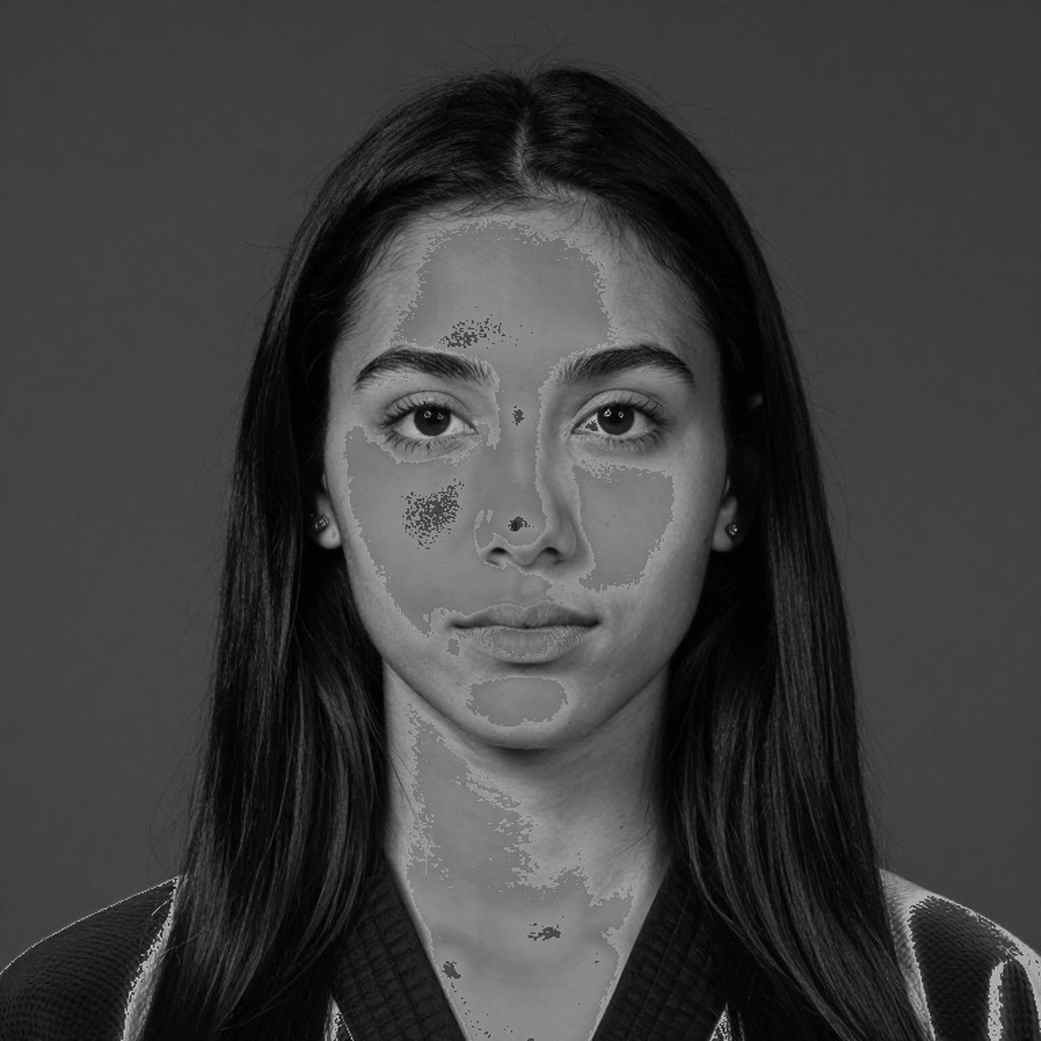
Eight years later I opened that ledger again, this time over a Vietnamese line. The 2026 Asian Games, Japan. Taekwondo's newest event, Virtual Taekwondo, in a morning session. Vietnam is entering Châu Ngọc Tuyết Sang, younger sister of world champion Châu Tuyết Vân. The headline says Vietnam's medal hope here is strong.
I will write the other thing. That hope is not mainly a measure of the athlete's skill. It is a measure of a first-edition gap, backed by equipment and timing.
What virtual taekwondo actually is
Athletes wear VR headsets and body-motion sensors. There is no direct physical contact. Each round starts at 1,000 HP; accurate strikes drain the opponent's HP, and zero is a virtual "knockout." Three rounds, best of two wins. If time expires, the higher HP takes the round; ties break on headshots, then accurate kicks, then last strike.
One condition gets skipped: to enter, an athlete must already have qualified in individual creative poomsae. So the virtual field is not drawn from kyorugi fighters. It is drawn from poomsae athletes.
The organizational chain is simple. World Taekwondo writes the rules and sanctions the event, the Olympic Council of Asia places it on the Games program, the national federation runs the camp and the entry, and the athlete stands at the end. The two middle decisions determine who reaches the last step.
Vietnam's preparation is on the record. Head coach Nguyễn Thanh Huy says the team camped in Korea, sparred seven opponents bound for the 2026 Asian Games, and won many of those matches. His claim is that confidence is high, but "anything can happen, we must not be subjective." Sang has lost nearly five kilograms in two months while preparing two events at once.
Where the real accounting sits
This is where the story turns.
A medal in an event being contested for the first time is usually a measure of timing, not skill. A format entering the Asian Games program for the first time has no history, no seeding, no deep entry list. Because eligibility runs through poomsae, the field fills only with federations that already invested in poomsae and are willing to buy headsets and sensors. The coach's own admission is the strongest evidence here: "most countries do not invest in equipment like ours."
That equipment asymmetry is the single biggest organizational fact in the piece. It is a gate: the door is small, the key is expensive, so anyone who gets inside sees medal odds inflate artificially. In budget language, it is a medal-per-dollar calculation, a cheap window onto a new medal.
Poomsae-to-virtual conversion is partial, not total. Creative poomsae rewards craft, difficulty and presentation; the virtual format rewards repeated accurate kicking under fatigue. The skill sets overlap, kicking mechanics and body control, but they are not identical. A poomsae specialist inherits clean technique and must add volume and stamina. The article itself says continuous movement and kicking demand more stamina than a traditional match.
Sang's five-kilogram change should not be read as a weight cut. Poomsae and virtual taekwondo have no weight classes, so there is no weigh-in. Five kilograms in two months, about 0.6 kilograms a week, is not abnormal for someone carrying two training programs. But the driver, fat loss or dehydration or under-fuelling, is undisclosed. To me it is a training-load signal, not a danger siren, but it belongs on a watch list.
A world-champion sister's shadow is both an asset and a load. Growing up in that household buys early access to elite coaching and hard sparring partners, an understated competitive asset. But the expectation premium arrives through the same door, and it is rarely measured against her own record.
There is a wider frame too. Virtual taekwondo is a collision of a traditional martial art with a VR-driven esports culture, aimed at a young, screen-native audience. The question will follow: is a virtual medal equal to a physical one? Purists say no; organizers say this is the door to the future. That argument is not unique to taekwondo; every forms-based martial art, wushu and karate included, is about to face it.
Then there is the money. For a national federation this is a low-cost window onto a new medal. For broadcasters it is new esports-adjacent content. For hardware makers, headsets, sensors and software, it is a fresh market. For data and betting platforms it is a new seam of numbers. The largest share of that value does not land in the medalist's pocket; it stays in the supply chain. In the Olympic system athletes are typically state- or federation-funded, not paid on pay-per-view, and that holds here too.
Years of sitting ringside and in mixed zones gave me a habit: before trusting a flashy event, check the entry list and the eligibility clause. My notebook is full of examples. At the 2026 South Asian Games in Kathmandu I filed three karate golds and one taekwondo gold with ten bronzes, gorgeous on paper, and that arithmetic mostly dissolved at Asian level. In 2026 I watched Bangladesh's first professional boxing event on a phone screen at 1 a.m. and wrote it with no facts in hand; my editor spiked the headline and kept the body. That sting built my three-receipts rule, no column leaves the laptop without a date, a number and a name. Two Dhaka cornermen and a Rangamati gym owner are still in my phone, and this Vietnam piece is written the same way.
Against my own argument
Now I stand against my own theory.
I could be wrong. The entry list may not be as thin as I assume. The poomsae field has depth in Iran, Korea, Chinese Taipei and the Philippines; if any of them also enters the virtual event, the "equipment gap" theory weakens.
The bigger risk sits elsewhere: there is no cited document proving the event is actually on the 2026 Asian Games program. That needs confirming through World Taekwondo or the Olympic Council of Asia. If the program changes, the whole hope evaporates. This is the largest condition on everything I have written.
One dimension is entirely in shadow: VR's own physical risk. Hours in a headset while moving fast can bring motion sickness, eye strain, and neck and vestibular stress. Real taekwondo's medical protocol does not map cleanly here, because there is no head impact, yet the new risk demands a new protocol. The article does not carry a single sentence on it.
Finally, how accurate is the sensor? The article offers no clear account of how the machine registers an "accurate kick." Automated scoring reduces judging bias, which is a gain. But if the software or sensor fails, the appeal route is unclear.
The last word
My testable prediction: if Vietnam medals in virtual taekwondo in 2026, the real test is how much of that repeats in the next cycle. If the entry list stays small and shallow, the medal will not prove the depth of Vietnamese taekwondo; it will prove the advantage of a first edition. The real question is for federations: before opening a new medal account, who is strengthening the poomsae base underneath, and who is only buying a headset and chasing the smell of a medal?
— Root: an equipment gate, a shallow field, and an unverified program decision.